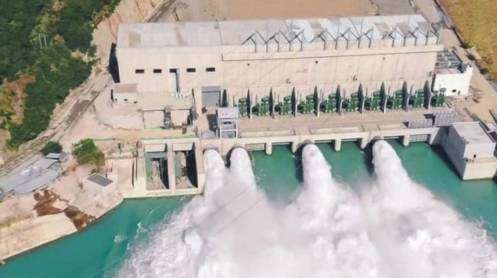
ISLAMABAD: Pakistan’s power system has received significant relief as electricity generation from hydropower sources surged to 5,000 megawatts during peak hours since April 17, 2026, according to the Power Division.
A spokesperson said increased water releases from reservoirs, in line with provincial requirements, enabled hydel generation to reach 5,000MW during peak night hours, easing pressure on the national grid.
The situation was further supported by an additional 400MW supply from the southern region, helping stabilize electricity distribution to central areas. As a result, no load management was observed during peak night hours on April 17, 18, and 19.
On April 20, most distribution companies restricted load management to just one hour at night. However, Gujranwala Electric Power Company (GEPCO) and Sukkur Electric Power Company (SEPCO) implemented up to two hours of load management during peak periods.
Despite the improvement, the Power Division noted that LNG-based power plants with a combined capacity of 5,500MW remain offline due to fuel shortages. These plants are expected to resume operations once LNG supplies are restored. Currently, around 500MW is being generated at the Balloki Power Plant using indigenous gas.
The spokesperson emphasized that load shedding linked to electricity theft and system losses will continue across distribution companies, clarifying that such measures are policy-driven and separate from demand-based load management.
Earlier, Minister for Power Sardar Awais Ahmad Khan Leghari defended revenue-based load shedding, stating that efforts are underway to formalize the mechanism under the NEPRA Act. He warned that eliminating the practice could add around Rs400 billion to the country’s circular debt.
However, the National Electric Power Regulatory Authority (NEPRA) has declared revenue-based load shedding illegal and imposed penalties on power distribution companies, including K-Electric. The Ministry of Law and Justice has also termed the practice a violation of fundamental rights.
Story by Mushtaq Ghumman